
I Have Cancer. Should I Get a Massage?
Hearing the word "cancer" changes many aspects of life, and it's natural to wonder whether massage is still safe. The good news is that for many people living with cancer, massage can be a valuable part of supportive care. However, it is not the same as a regular relaxation massage. Cancer massage requires special training, modified techniques, and careful communication with your healthcare team.
Can People with Cancer Get a Massage?
In many cases, yes. Massage does not spread cancer. This is a common myth that has been disproven. Cancer cells spread through biological processes, not because of massage.
That said, massage must be adapted to each person's medical condition, treatment, and overall health.
What Types of Cancer Can Receive Massage?
People with many types of cancer may benefit from massage, including:
Breast cancer
Prostate cancer
Colon cancer
Lung cancer
Ovarian cancer
Skin cancer (avoiding affected areas)
Blood cancers such as leukemia or lymphoma (only with physician approval and appropriate precautions)
The most important factor is your current medical condition, not simply the type of cancer.
Does the Stage of Cancer Matter?
Massage may be appropriate during:
Early-stage cancer
During chemotherapy or radiation (with modifications)
After surgery, once cleared by the physician
During recovery after treatment
Advanced or metastatic cancer, using gentle comfort-focused techniques
Each stage requires different precautions. Before receiving massage, your therapist should ask about:
Current treatments
Surgery history
Medications
Blood counts
Bone involvement
Lymphedema risk
Medical devices such as ports or catheters
When Should Massage Be Avoided or Delayed?
Massage may need to be postponed or modified if you have:
A fever or active infection
Very low platelet counts that increase bleeding risk
Extremely low white blood cell counts that increase infection risk
Blood clots (DVT)
Open wounds or radiation burns
Recent surgery that has not healed
Severe bone weakness from cancer spreading to the bones
Significant swelling that has not been evaluated
Always follow your oncologist's recommendations.
What Kind of Massage Is Best?
For most cancer patients, gentle and customized massage works best.
Oncology Massage
This is a specialized type of massage designed specifically for people with cancer. Therapists adjust:
Pressure
Positioning
Session length
Areas to avoid
Comfort throughout the treatment
The goal is to support the body safely while helping you relax.
Swedish Massage
A light-pressure Swedish massage can help reduce stress, improve sleep, and ease muscle tension without placing unnecessary stress on the body.
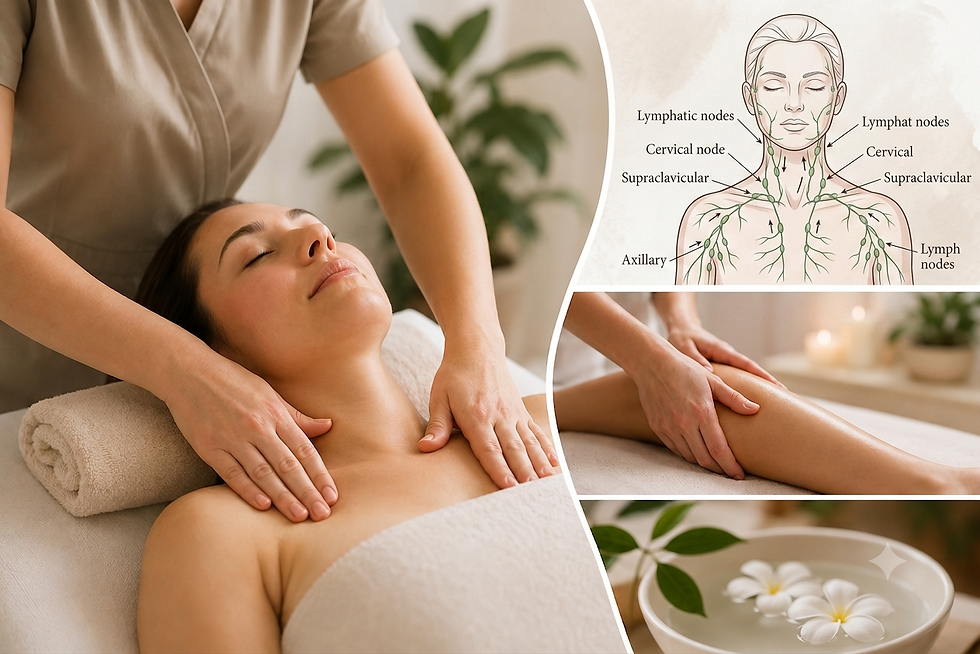
Lymphatic Drainage Massage
Some cancer patients develop swelling called lymphedema, especially after lymph node removal or radiation treatment.
Manual lymphatic drainage may help reduce swelling, but it should only be performed
by a therapist who has specialized training in lymphatic drainage and lymphedema management.
Avoid Very Deep Pressure
Deep tissue massage is generally not recommended over:
Tumor sites
Areas treated with radiation
Surgical scars that have not fully healed
Areas with bone metastases
Areas affected by lymphedema
If deep tissue massage is appropriate elsewhere on the body, it should only be performed after careful evaluation.
What Are the Benefits?
Research has shown that massage may help cancer patients by:
Reducing stress and anxiety
Improving sleep quality
Relieving muscle tension
Decreasing pain and discomfort
Reducing fatigue
Promoting relaxation
Improving overall quality of life
While massage is not a treatment for cancer, it can be an important part of supportive care that helps people feel more comfortable during and after treatment.
Before Your Appointment
Please let your massage therapist know if you:
Are currently receiving chemotherapy or radiation
Have had surgery
Have a port, PICC line, or other medical device
Have swelling or lymphedema
Take blood thinners
Have been diagnosed with bone metastases
Have any restrictions from your physician
The more your therapist knows, the safer and more comfortable your massage will be.
Massage Hubs Cares About Your Safety
At Massage Hubs, we believe every client deserves personalized care. Our licensed massage therapists understand that every health condition is unique. We take time to learn about your medical history, adjust each session to your needs, and prioritize your comfort and safety.
If you have cancer or are recovering from cancer treatment, we encourage you to speak with your healthcare provider before scheduling your massage. Together, we can help create a relaxing, supportive experience tailored specifically for you.
Ready to relax in caring hands? Book your appointment with Massage Hubs today and let our trained therapists help you feel your best—safely, comfortably, and with compassion.

Comments